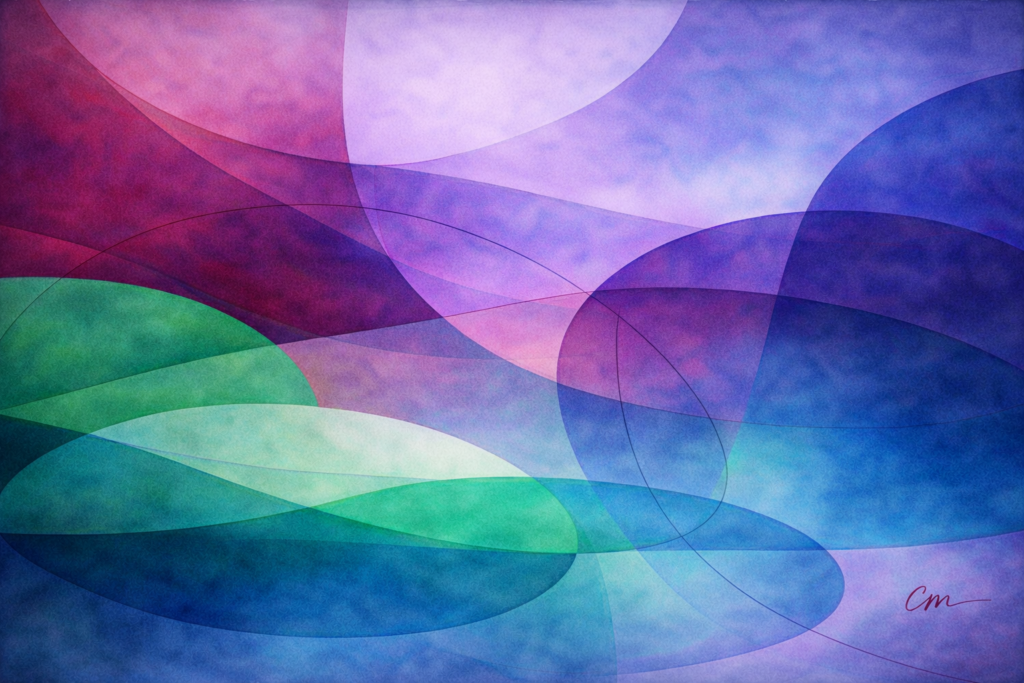
Layering acrylic paint is one of the most important techniques for creating depth, richness and structure in your artwork. Whether you’re a beginner exploring acrylic painting for the first time or a developing artist refining your process, understanding how to build layers properly will dramatically improve your results.
Acrylic paint dries quickly — which makes it ideal for layering. Unlike oil painting, where drying times can take days, acrylics allow you to build multiple layers in a single session. When used intentionally, this fast drying time becomes a powerful advantage.
Why Layering Is Essential in Acrylic Painting
If your acrylic paintings feel flat or unfinished, layering is often the missing piece.
Layering allows you to:
-
Create depth and dimension
-
Build stronger colour relationships
-
Develop contrast between light and dark
-
Refine composition gradually
-
Strengthen focal points
Instead of trying to complete a painting in one pass, layering helps you construct the artwork step by step.
Step 1: Start with an Acrylic Underpainting
The first layer (often called the underpainting) establishes structure. This stage is about blocking in large shapes and defining light and dark areas — not detail.
For beginners in acrylic painting, it helps to:
-
Use slightly diluted acrylic paint
-
Focus on large shapes rather than small details
-
Establish the overall colour direction
In the UK climate, acrylic paint may dry slightly slower in colder rooms. Ensure your studio space is warm enough for consistent drying.
Step 2: Build Mid-Layers for Depth
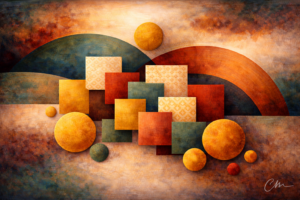
Once the base layer is fully dry, you can begin building mid-layers. This is where the painting starts to develop personality and depth.
At this stage, you might:
-
Adjust colour temperature
-
Strengthen contrast
-
Refine edges
-
Add subtle tonal variation
Allow each layer to dry completely before adding the next. Painting over damp acrylic can create muddy colours — one of the most common acrylic painting mistakes.
If you’re wondering how to avoid muddy acrylic paint, patience between layers is key.
Thin vs Thick Layers in Acrylic Art
Layering is not only about adding colour — it’s about varying paint consistency.
Thin layers:
-
Create softness and subtle transitions
-
Work well in background areas
-
Help build atmospheric depth
Thicker layers:
-
Add texture
-
Bring focus forward
-
Create stronger visual impact
Combining thin and thick applications is one of the most effective acrylic painting techniques for creating depth on canvas.
How to Create Depth with Acrylic Paint
Depth in painting comes from contrast. As you layer, ask yourself:
-
Are my dark areas deep enough?
-
Are my light areas strong enough?
-
Does the focal point stand out?
Using darker tones in early layers and gradually introducing lighter highlights later can create a sense of space and dimension.
For abstract artists in the UK, layering is especially important. It allows you to create subtle shifts in colour and tone that give the painting emotional strength without relying on realism.
Knowing When to Stop Layering
One of the biggest challenges in acrylic painting is overworking.
A painting is usually complete when additional layers no longer improve balance, depth or clarity. If you continue adding paint without purpose, the surface can become heavy and unresolved.
Step back. View your painting from across the room. Good layering creates cohesion — not confusion.
Final Thoughts: Mastering Acrylic Layering
Learning how to layer acrylic paint properly will transform your artwork. It allows you to:
-
Build stronger compositions
-
Avoid flat surfaces
-
Develop richer colour relationships
-
Create a professional finish
Acrylic painting is flexible and forgiving. Every layer contributes to the final result. With practice, you’ll develop an instinct for when to build, when to refine — and when to stop.
Layering is not about complexity. It’s about control.
And control gives your creativity confidence.