Choosing the Right Brushes for Acrylic Painting
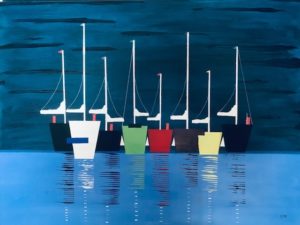
When working with acrylic paint, your brush is more than just a tool — it’s an extension of your hand, your movement, and ultimately your voice as an artist. Acrylics are incredibly versatile, and the brush you choose can dramatically affect texture, flow, and finish. Understanding how different brushes behave will give you greater control and freedom in your painting process.
Synthetic vs Natural Brushes
For acrylic painting, synthetic brushes are generally the best choice. Acrylic paint is water-based but dries quickly and can be tough on bristles. Synthetic fibres are durable, resilient, and easier to clean. Natural hair brushes, while beautiful for oils or watercolour, can lose their shape more quickly when used with acrylics.
Look for brushes labelled specifically for acrylic use. They tend to have the right balance of stiffness and flexibility.
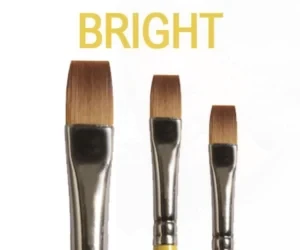
Flat Brushes
Flat brushes have a square edge and medium to long bristles. They are ideal for:
-
Blocking in large areas of colour
-
Creating bold, geometric shapes
-
Making clean edges
-
Laying down structured strokes
If you work in abstract art, flat brushes are excellent for building strong compositional shapes. They hold a good amount of paint and allow for confident, deliberate marks.

Round Brushes
Round brushes taper to a point and are extremely versatile. They are useful for:
-
Line work
-
Controlled details
-
Organic shapes
-
Fluid, expressive strokes
By adjusting pressure, you can create both fine lines and thicker marks. If your work blends abstract and realism — perhaps suggesting trees, waves, or wildlife forms — a round brush offers the control you need for subtle definition.
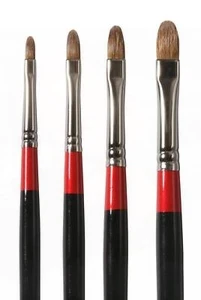
Filbert Brushes
Filbert brushes have a rounded edge that combines the qualities of flat and round brushes. They are ideal for:
-
Blending edges
-
Softening transitions
-
Creating curved shapes
-
Painting natural forms
Many artists love filberts because they produce less harsh lines. If you’re aiming for harmony and flow within your painting, this shape can help you avoid rigid, mechanical marks.
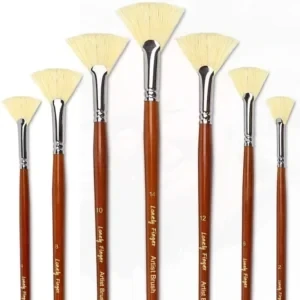
Fan Brushes
Fan brushes are often overlooked but incredibly useful. Their spread-out bristles allow you to:
-
Create texture (grass, foliage, movement)
-
Soften areas gently
-
Add layered atmospheric effects
Used lightly, they can suggest energy and movement without overworking a surface.
Stiff vs Soft Bristles
Stiffer brushes are perfect for impasto techniques and textured application. They push paint around confidently and leave visible brush marks — ideal if you want the physicality of the paint to be part of the artwork.
Softer brushes work better for glazing and smoother blending. They allow thinner layers to sit lightly on the surface.
Caring for Your Brushes
Acrylic paint dries fast, so clean your brushes promptly with water and mild soap. Never let paint dry near the ferrule (the metal part), as it will damage the shape permanently. Reshape the bristles after washing and let them dry flat.
The more you experiment with different brush types, the more you’ll discover how each one shapes your artistic language. Over time, you’ll naturally reach for certain brushes because they align with how you move and express yourself.
Your tools matter — but how you use them matters even more.