How to Glaze with Acrylic Paint.
Glazing with acrylic paint is one of the most effective techniques for creating depth, richness and luminosity in your artwork. Whether you’re new to acrylic painting or developing your skills further, learning how to glaze properly can dramatically improve colour harmony and atmosphere.
Acrylic glazing is especially popular among abstract artists and contemporary painters in the UK because it allows subtle shifts in tone without losing structure. Instead of covering what’s underneath, a glaze enhances it.
What Is Acrylic Glazing?
In simple terms, glazing is the process of applying a thin, transparent layer of acrylic paint over a completely dry layer.
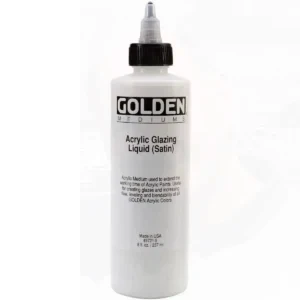
To glaze correctly, mix a small amount of acrylic paint with a glazing medium. This maintains the strength of the paint while allowing transparency. While some beginners try thinning acrylic paint with water alone, using a proper acrylic glazing medium produces better results and prevents weakening the paint film.
If you’re searching for how to make acrylic paint transparent, glazing medium is the answer.
Why Use Glazing in Acrylic Painting?
Glazing is ideal for:
-
Deepening shadows without creating muddy colours
-
Adjusting colour temperature (warming or cooling areas)
-
Creating luminous colour effects
-
Softening harsh transitions
-
Unifying a composition
For example, applying a warm transparent glaze over a cooler underpainting can subtly change the emotional tone of the entire piece. This is particularly useful in abstract acrylic painting, where atmosphere plays a key role.
How to Glaze with Acrylic Paint (Step by Step)
If you’re looking for a clear acrylic glazing technique for beginners, follow this simple process:
-
Make sure the base layer is completely dry. Acrylic paint dries quickly, but in cooler UK studio spaces it may take slightly longer.
-
Mix acrylic paint with glazing medium until the mixture becomes transparent.
-
Use a soft synthetic brush for smooth application.
-
Apply the glaze lightly and evenly.
-
Allow it to dry fully before adding additional glazes.
It’s better to apply several thin glazes rather than one heavy layer. Thin, controlled applications create depth without heaviness.
Controlling Transparency and Colour
The more glazing medium you add, the more transparent the layer becomes. Less medium results in stronger colour intensity.
Testing your glaze on a spare surface first is always recommended. Even a subtle shift can significantly alter the final result.
Glazing works particularly well in:
-
Abstract acrylic art
-
Landscape painting
-
Seascapes
-
Portrait backgrounds
-
Atmospheric realism
Many UK artists use glazing to create layered skies, soft water reflections, or gentle tonal transitions in contemporary interiors artwork.
Common Acrylic Glazing Mistakes
To improve your results, avoid these common issues:
-
Glazing over wet paint (this causes unwanted blending)
-
Using too much water instead of medium
-
Applying thick, opaque layers
-
Over-glazing without maintaining contrast
If you’ve ever wondered how to avoid muddy colours in acrylic painting, controlled glazing and allowing proper drying time are essential.
Final Thoughts: Improving Your Acrylic Painting with Glazing
Learning how to glaze with acrylic paint can elevate your artwork from flat to refined. It adds sophistication, subtlety and depth without overwhelming the composition.
Glazing allows light to pass through layers, creating colour complexity that cannot be achieved with a single opaque application. When used intentionally, it strengthens mood, atmosphere and cohesion.
For artists in the UK looking to improve their acrylic painting techniques, glazing is a skill well worth mastering. It’s not about adding more paint — it’s about enhancing what’s already there.