Painting with a Palette Knife: Adding Texture, Energy and Expression to Acrylic Art
Palette knives are often associated with mixing paint, but they are far more than studio tools. In acrylic painting, a palette knife can completely transform the surface of your work. It introduces texture, movement and a physical presence that brushes alone cannot achieve.
If you want your painting to feel alive — to carry energy rather than just colour — learning how to use a palette knife with acrylic paint is a powerful step forward.
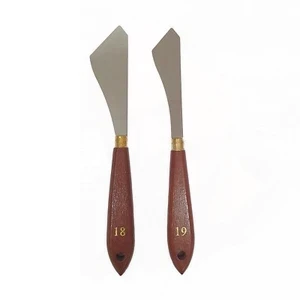
What Is a Palette Knife?
A palette knife is a flexible metal blade with a handle, usually slightly angled. Unlike painting knives (which are designed specifically for applying paint), many artists use both interchangeably in acrylic work.
Palette knives come in different shapes:
-
Long, narrow blades for sweeping gestures
-
Diamond-shaped blades for bold application
-
Small pointed knives for controlled marks
-
Wide flat blades for large textured areas
Choosing the right shape depends on the effect you want to create.

Why Use a Palette Knife in Acrylic Painting?
Using a palette knife changes the relationship between you and the canvas. Instead of brushing paint on, you spread, scrape, press and lift it.
Palette knives are ideal for:
-
Impasto techniques (thick, raised paint)
-
Creating bold abstract shapes
-
Adding dramatic texture
-
Scraping back layers to reveal underpainting
-
Building dynamic movement
If your acrylic paintings feel too smooth or overly controlled, introducing knife work can immediately add strength and character.
Applying Thick Paint (Impasto Technique)
Palette knives work best with heavy body acrylic paint. The thicker consistency holds shape and texture when applied.
To create impasto texture:
-
Load the knife with paint directly from the palette.
-
Press it firmly onto the canvas.
-
Drag or lift to create peaks and ridges.
-
Leave the surface untouched — avoid overworking.
The key to successful impasto is confidence. Hesitation creates uneven texture. Strong, deliberate movements create expressive marks.
Thicker areas of paint naturally catch light differently, adding depth without relying on complex colour shifts.
Scraping and Layering
One of the most exciting aspects of palette knife painting is the ability to scrape back into previous layers. One of my early paintings shows this best.
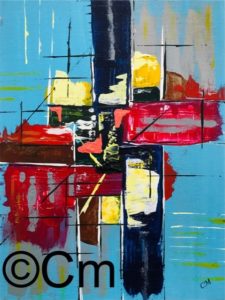
If you’ve built an underpainting, you can:
-
Drag a knife lightly across the surface to reveal colour beneath
-
Remove areas of wet paint for contrast
-
Create broken, distressed textures
This technique is particularly effective in abstract art, where layered surfaces suggest depth and history.
The combination of layering and knife work creates visual tension — smooth areas contrasted with textured passages.
Creating Movement and Energy
Palette knives encourage looser, more physical painting. The gestures are broader and less precise than brush strokes.
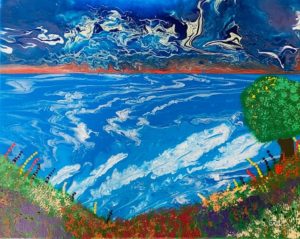
This makes them perfect for:
-
Seascapes with expressive waves
-
Forest scenes with textured foliage
-
Abstract compositions built from strong geometric forms
-
Emotional, expressive colour fields
The slight unpredictability of a knife stroke adds spontaneity. Rather than aiming for perfection, you allow the paint to respond naturally to pressure and direction.
Combining Brush and Knife Techniques
Palette knives do not replace brushes — they complement them.
Many artists:
-
Use brushes for initial layering
-
Introduce knife work for texture and focal areas
-
Return to brushes for detail and refinement
This contrast creates balance within the painting. Smooth transitions sit beside textured highlights, giving the artwork greater visual depth.
Common Mistakes to Avoid
-
Using paint that is too thin (it won’t hold texture)
-
Over-blending knife strokes
-
Adding texture everywhere without contrast
-
Pressing too lightly and hesitating
Texture needs breathing space. Allow some areas to remain calm so textured passages feel intentional rather than chaotic.
Final Thoughts
Painting with a palette knife in acrylic art invites freedom. It encourages boldness, confidence and physical engagement with the surface.
Where brushes guide, knives declare.
If you want your acrylic paintings to carry more presence — to feel dynamic and alive — introducing palette knife techniques can be transformative.
It’s not about abandoning control. It’s about balancing control with energy.
And sometimes, that’s exactly what a painting needs.