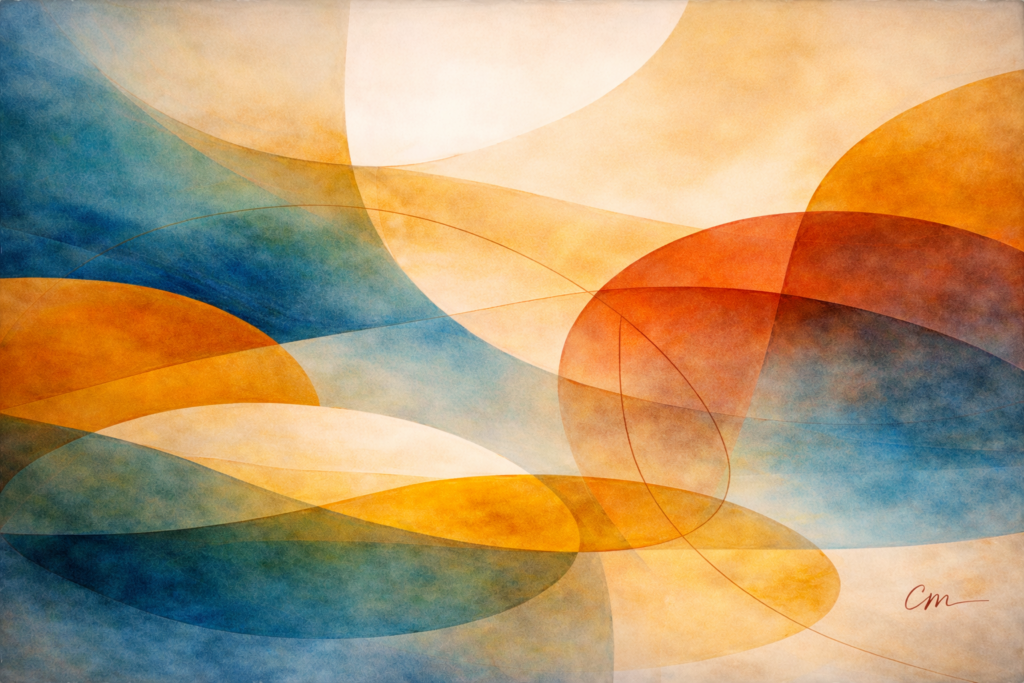
Colour Mixing with Acrylic Paint: Creating Harmony, Depth and Emotional Impact
Colour mixing is one of the most important skills in acrylic painting. It influences mood, balance, atmosphere and emotional response. You can have strong composition and confident brushwork, but if the colours fight each other, the painting will never feel resolved.
Learning how to mix acrylic paint properly gives you control — not just over colour, but over feeling.
Understanding the Basics: Warm and Cool Colours
Before mixing anything, it helps to understand that every colour leans warm or cool.
-
Warm colours: reds, oranges, yellows
-
Cool colours: blues, greens, violets
But it goes deeper than that. Even within a single colour, there are warm and cool versions. For example:
-
A blue with a hint of green is cooler.
-
A blue with a hint of red is warmer.
When mixing acrylic paint, being aware of these temperature differences prevents dull or muddy results. Mixing colours with opposite temperature biases can neutralise each other more quickly than expected.
If you’ve ever wondered why your colours turn brown unexpectedly, temperature clash is often the reason.
Start with a Limited Palette
One of the most effective colour mixing tips for beginners is to use a limited palette.
Instead of squeezing out every tube you own, choose:
-
One warm red
-
One cool blue
-
One warm yellow
-
Titanium white
From these four colours alone, you can mix an enormous range of tones.
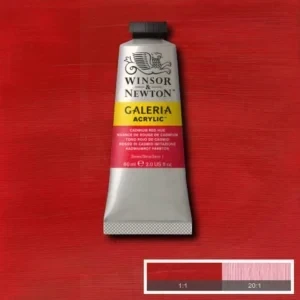
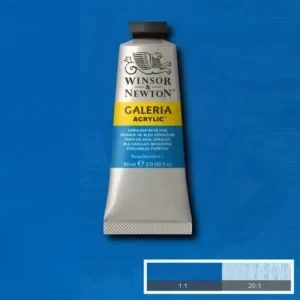
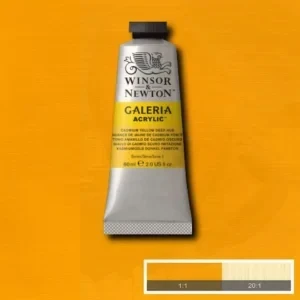
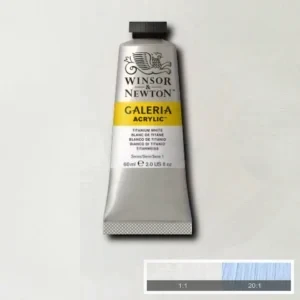
A limited palette creates natural harmony because all colours share common origins. This is especially powerful in abstract acrylic painting, where unity matters as much as contrast.
Mixing Clean, Vibrant Colours
To mix clean colours with acrylic paint:
-
Start with the lighter colour first.
-
Add the darker colour gradually.
-
Mix slowly and deliberately.
Acrylic paint is strong — a tiny amount of dark pigment can overpower a mixture quickly.
If your colours begin looking dull, stop adding paint. Instead, adjust the balance gently. Often, less is more.
It also helps to physically clean your palette knife or brush before mixing a new colour. Residual paint is one of the fastest ways to create accidental muddiness.
Creating Neutrals and Earth Tones
Neutrals are essential. Without them, paintings can look overly bright or chaotic.
To create natural neutrals:
-
Mix complementary colours (e.g., blue + orange)
-
Mix red + green
-
Mix yellow + violet
These combinations reduce intensity and create balanced greys and earthy tones.
In many contemporary acrylic paintings — particularly landscapes or coastal-inspired work — these softened neutrals create sophistication and depth.
Bright colour needs contrast. Neutrals provide breathing space.
Using White Carefully
White is powerful in acrylic painting. It lightens colour, but it can also reduce vibrancy.
When you add white:
-
Colours become more pastel
-
Saturation decreases
-
Opacity increases
Instead of always reaching for white to lighten a colour, consider lightening with a related warm tone. For example:
-
Lighten green with yellow
-
Lighten red with a warm orange
-
Lighten blue with a lighter cool blue
This keeps mixtures more luminous and avoids chalky results.
Colour Harmony in Acrylic Painting
Strong paintings often rely on intentional harmony. This can be achieved by:
-
Repeating colours across the canvas
-
Using variations of one dominant colour
-
Limiting your palette
-
Balancing warm and cool areas
In abstract art, colour harmony is often what creates emotional impact. A painting dominated by cool blues and teals will feel calm and reflective. Introduce small areas of warm contrast, and suddenly the energy shifts.
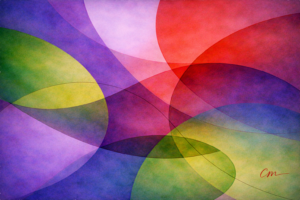
Think about the mood you want before you begin mixing.
Testing Before Committing
Acrylic dries slightly darker than it appears when wet. Keep this in mind while mixing.
Test your colour on a scrap surface before applying it to the main painting. This small habit prevents large corrections later.
Over time, you’ll develop an instinct for how colours shift as they dry.
Final Thoughts
Colour mixing with acrylic paint is both technical and intuitive. It requires observation, patience and restraint.
The goal is not to use more colour — it’s to use colour intentionally.
When you understand how pigments interact, how temperature affects mood, and how harmony creates balance, your paintings become more confident. They feel composed rather than accidental.
Master colour mixing, and you’ll notice a shift in your work. The surface will feel unified. The contrasts will feel deliberate. The emotional tone will feel clear.
And that’s when colour stops being decoration — and becomes language.