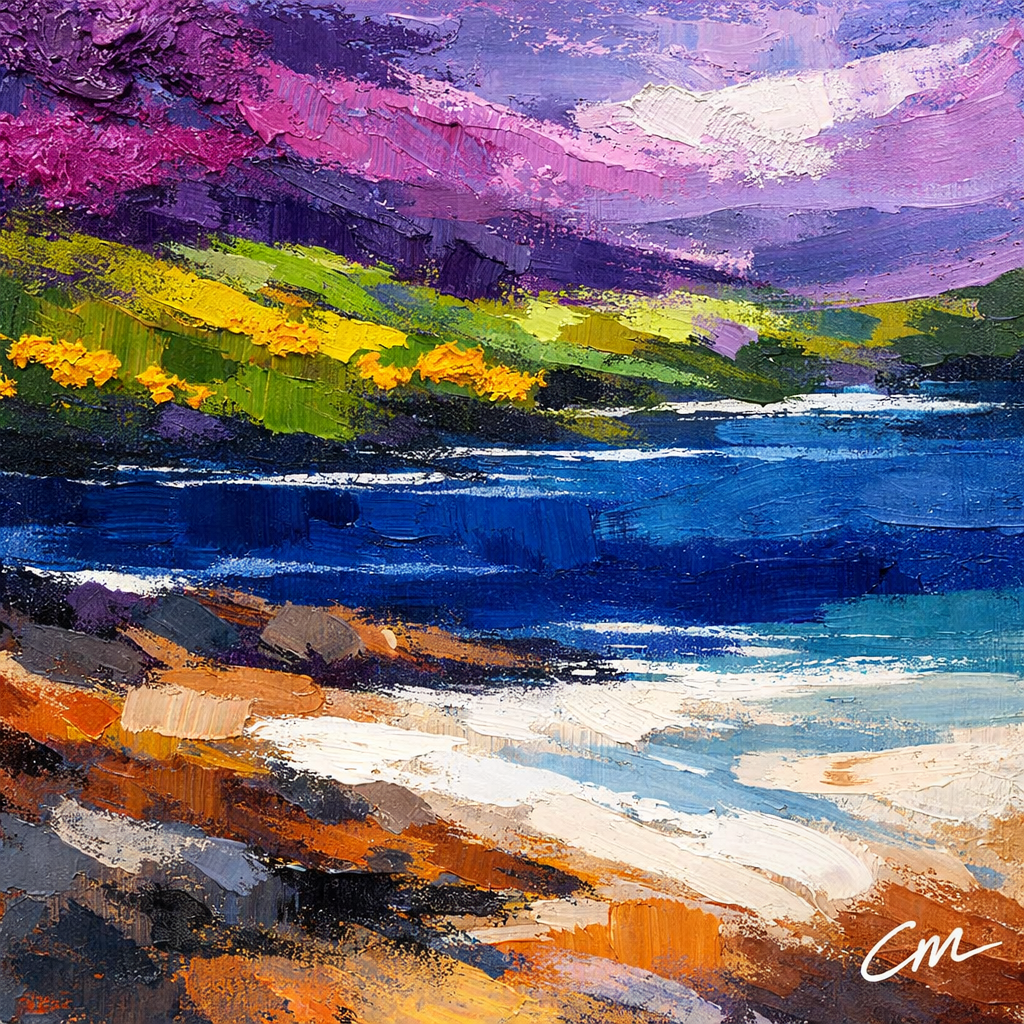
Abstract Realism is a style of art that speaks to both recognition and emotion. It allows the artist to begin with something familiar — a landscape, a flower, a face, a shoreline — and then move beyond simple representation into something more expressive, intuitive, and alive. It is not about copying the world exactly as it appears. It is about capturing the feeling, energy, and spirit of a subject while still holding onto enough form for the viewer to connect with it.
That is what makes Abstract Realism so compelling. It offers a meeting place between the real and the imagined. Part of the image may be clear and recognisable, while another part dissolves into layered colour, texture, loose brushwork, or unexpected marks. The subject remains present, but it is given room to breathe, shift, and become something more emotional than literal.
This balance creates a special kind of visual tension. The viewer sees enough detail to understand the subject, but not so much that the work becomes closed or fixed. Instead, abstraction opens the door to interpretation. It allows memory, mood, and personal response to become part of the experience. In this way, Abstract Realism invites the viewer to do more than look. It encourages them to feel.
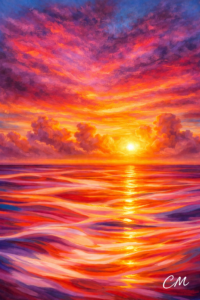
For many artists, this style offers a freedom that pure realism does not. Realistic painting can be beautiful and technically impressive, but it can also become tied too closely to accuracy alone. Abstract Realism makes space for instinct. It allows the artist to respond emotionally to the subject, to leave some edges unfinished, to blur, distort, soften, or intensify certain areas in order to communicate something deeper than likeness. A flower may become a study in softness and strength. A seascape may become a reflection of movement, solitude, and atmosphere. A portrait may reveal not only a face, but a sense of presence, memory, or vulnerability.
Texture plays an important role in this process. Many Abstract Realist works are built through layers, with each stage adding depth and complexity. Thick impasto can bring physical energy to the surface. Palette-knife marks can create broken, expressive passages. Drips and spontaneous gestures can introduce movement and unpredictability. Glazing can soften transitions and create a quiet inner glow. These layers make the painting feel lived in, as though it has evolved rather than simply been rendered.
This is one of the reasons the style feels so rich and human. It mirrors the way we often experience life itself — not as a perfectly sharp record of facts, but as something filtered through mood, memory, light, and feeling. We remember places by their atmosphere. We remember flowers by the sense of life they carried. We remember coastlines by their changing skies, shifting tides, and emotional pull. Abstract Realism reflects this beautifully by allowing both observation and interpretation to exist together on the canvas.
Some of the most influential artists have worked in ways that echo this approach. Gerhard Richter explored the space between realism and abstraction by blurring painted images until they felt both familiar and uncertain. Chuck Close created portraits that appear realistic from a distance, but reveal a fascinating structure of abstract marks and shapes up close. Claude Monet, especially in his Water Lilies series, moved toward a kind of atmospheric abstraction where light, reflection, and colour became just as important as the subject itself. Georgia O’Keeffe also blurred this boundary, painting flowers and natural forms with such clarity, scale, and simplification that they moved into a more abstract and emotional space.
What makes Abstract Realism so enduring is that it offers the best of both worlds. It provides enough structure for recognition, while also leaving room for imagination. It is grounded, yet expressive. It is thoughtful, yet spontaneous. It allows artists to remain connected to the world around them while still speaking in a deeply personal visual language.
For viewers, this creates a powerful experience. There is comfort in recognising a subject, but there is also intrigue in seeing it transformed. The eye lingers longer. The mind wanders. The heart responds. That space between what is seen and what is felt is where Abstract Realism finds its quiet strength.
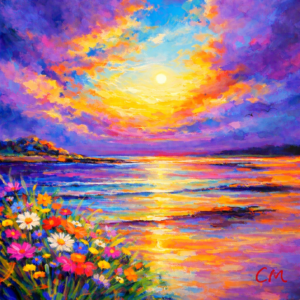
In many ways, Abstract Realism reminds us that art does not need to choose between clarity and emotion. It can hold both. It can honour the visible world while also expressing the invisible qualities that make it meaningful. And that is where its beauty lies.