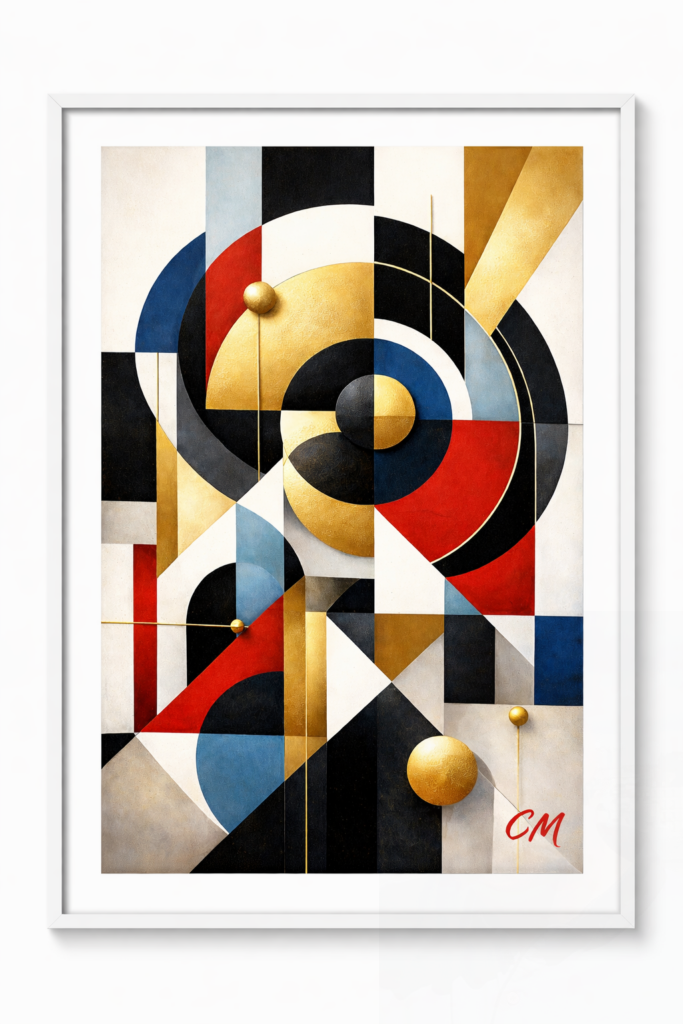
Geometric Shapes and Symbols in Abstract Art: Structure, Meaning, and Modern Appeal
Geometric shapes have long played an important role in abstract art. From simple circles and squares to complex patterns and symbolic arrangements, geometric forms bring structure, clarity, and balance to a painting. In today’s art market, geometric abstraction continues to attract collectors, designers, and art enthusiasts alike. Far from being a passing trend, geometric art remains a timeless staple in the modern art world, valued for its precision, versatility, and visual impact.
At its core, geometric abstraction focuses on the deliberate use of mathematical shapes—such as circles, triangles, rectangles, and lines—to create visual harmony. Unlike traditional representational art, which depicts landscapes, people, or objects, geometric abstract art communicates through form, colour, and composition. The result is artwork that often feels both structured and expressive at the same time.
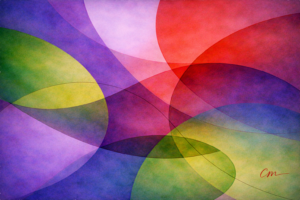
The painting above, Enlightened is an example of how geometric shapes can be blended together. It is the reason geometric abstraction remains so popular in its ability to bring balance and order to a space. Many collectors are drawn to the calmness and clarity that geometric forms create. Clean lines and carefully arranged shapes can give a painting a sense of stability and rhythm, which makes geometric artwork particularly suitable for contemporary interiors. In minimalist homes, modern apartments, and office environments, geometric paintings can provide visual interest without overwhelming the space.
In recent years, geometric art has been identified as a leading design trend in both residential and commercial environments. As we move through 2026, geometric abstract art continues to appear in interior design magazines, galleries, and online art platforms. Designers often describe geometric pieces as “statement-making,” because they combine simplicity with striking visual power. An example of this is my painting Locomotion, shown below.
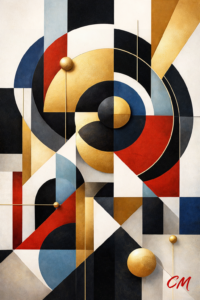
One emerging trend is the resurgence of Neo Art Deco aesthetics. Inspired by the bold geometry of the 1920s and 1930s, Neo Art Deco combines modern geometric shapes with luxurious elements such as metallic accents, particularly gold and brass. These artworks often feature strong symmetry, sculptural shapes, and dramatic contrasts. The result is artwork that feels both contemporary and timeless.
Another reason geometric abstract art continues to attract collectors is its remarkable adaptability. Geometric forms can be expressed across many artistic mediums and styles. Some artists create three-dimensional wall installations using wood, metal, or layered materials. Others produce colourful oil-on-canvas paintings featuring bold shapes and high-contrast colour palettes. Digital artists are also exploring geometric abstraction through advanced design software, creating highly precise and complex patterns that would have been difficult to produce by hand in the past.
Within the broader category of geometric art, several distinct styles are currently in demand. One popular approach focuses on minimalist geometry. These artworks use simple shapes, limited colour palettes, and spacious compositions. Circles, squares, and rectangles are often arranged in balanced patterns, creating a sense of peace and visual clarity. For collectors who want artwork that contributes to a calm and thoughtful living space, minimalist geometric art offers an ideal solution.
On the other end of the spectrum are vibrant and bold geometric compositions. These pieces use high-contrast colour combinations such as red and blue, black and gold, or deep teal with warm ochre tones. Instead of subtle calmness, these artworks aim to energise a room and act as a focal point. Large geometric blocks, intersecting shapes, and dynamic arrangements create artwork that immediately draws the viewer’s attention.
A particularly fascinating branch of geometric abstraction is Op Art, or optical art. Artists working in this style use repeating geometric patterns to create visual illusions of movement, vibration, or depth. One of the most famous artists associated with this movement is Bridget Riley, whose intricate geometric patterns create mesmerising optical effects. Even today, Op Art continues to influence contemporary artists experimenting with pattern, rhythm, and perception.
Several key factors help explain why geometric abstract art remains so popular with collectors. One of the most important is versatility. Geometric paintings fit comfortably within many interior design styles, including Scandinavian minimalism, industrial loft spaces, and relaxed bohemian homes. Because geometric shapes are universal and non-representational, they blend easily with different architectural and decorative environments.
Another important influence is digital technology. Modern design tools allow artists to experiment with highly precise geometric structures, layered patterns, and complex compositions. These digital techniques expand the possibilities of geometric abstraction, enabling artists to explore forms that combine mathematical precision with artistic expression.
Finally, geometric abstract art has proven to be a reliable investment category within the art market. The genre has a strong historical foundation, dating back to early twentieth-century movements such as Constructivism, Suprematism, and De Stijl. Today’s collectors often appreciate the continuity between these historical movements and contemporary geometric artists. Works range from valuable mid-century pieces to new creations by emerging artists who reinterpret geometry in fresh and innovative ways.
In summary, geometric shapes and symbols continue to play a vital role in abstract art. Their enduring appeal lies in their ability to combine order, creativity, and visual impact. Whether expressed through minimalist compositions, bold colour contrasts, or intricate optical patterns, geometric abstraction offers collectors artwork that is both timeless and modern. As artistic technologies and design trends continue to evolve, geometric art remains one of the most exciting and enduring forms of abstract expression.