Texture is one of the qualities that makes acrylic painting so engaging. While colour and composition guide the eye, texture brings the painting to life. It creates surface variation, catches light in different ways, and adds a sense of movement and physical presence to the artwork.
In many paintings, texture is what transforms a flat image into something that feels alive and tactile. When used thoughtfully, it introduces depth and energy without requiring complicated detail.
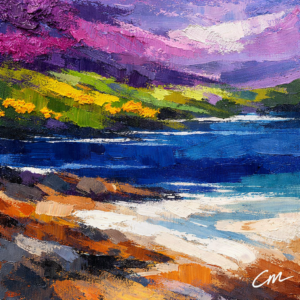
Understanding how to build texture with acrylic paint allows you to control the physical character of your work as much as the visual one.
Why Texture Matters in Painting
Texture affects how viewers experience a painting. Smooth surfaces tend to feel calm and controlled, while textured areas introduce energy and rhythm.
Texture can help you:
-
Create visual interest across the canvas
-
Add depth and dimension
-
Emphasise focal areas
-
Suggest natural elements like rocks, waves, trees or clouds
-
Give the painting a strong physical presence
In abstract and contemporary painting especially, texture often becomes part of the language of the artwork.
Rather than simply representing something, texture allows the surface itself to communicate.
Using Thick Acrylic Paint
One of the easiest ways to build texture is by applying thicker paint. Heavy body acrylics are particularly suited for this because they hold their shape when applied to the canvas.
To build texture with paint:
-
Load a brush or palette knife with thick paint
-
Apply it confidently to the surface
-
Allow the paint to form ridges and peaks
Avoid overworking the paint once it is placed. Texture loses its strength when repeatedly smoothed or blended.
Thicker paint catches light differently depending on the direction of the stroke. This subtle variation creates visual movement across the painting.
Modelling Paste and Texture Mediums
Another effective way to build surface texture is by using acrylic mediums such as modelling paste.
Modelling paste is a thick white substance that can be applied before or mixed with paint. It creates raised areas and structural texture that remain visible even after painting.
Artists often use modelling paste to:
-
Build raised shapes beneath the paint
-
Create rough surfaces resembling stone or bark
-
Introduce sculptural elements into a painting
Once the paste dries, acrylic paint can be applied over it. This technique allows you to combine colour with strong surface structure.
Layering Texture Gradually
Texture does not always need to be dramatic. Sometimes the most effective surfaces are created through multiple subtle layers.
For example, an early layer may include thin paint with visible brush marks. Later layers might introduce thicker strokes or palette knife applications.
This gradual build-up creates a history within the painting. Each layer contributes to the final surface, adding complexity without overwhelming the composition.
Layering texture in this way is particularly useful in abstract painting, where the viewer’s eye explores the surface rather than focusing on a single subject.
Dry Brushing for Subtle Texture
Dry brushing is another useful technique for adding delicate texture.
To dry brush:
-
Load a brush with a small amount of paint.
-
Wipe most of it off on a cloth or paper towel.
-
Lightly drag the brush across the surface.
The paint will catch only on raised areas, leaving broken marks that suggest texture without building thickness.
This technique works well for highlighting texture already present in the painting.
Balancing Smooth and Textured Areas
A successful painting rarely contains texture everywhere. Too much surface activity can overwhelm the eye.
Instead, balance textured areas with calmer, smoother passages. This contrast helps guide the viewer’s attention and strengthens focal points.
For example, you might create:
-
Thick texture in a focal area
-
Softer, blended surfaces in the background
-
Subtle transitions between the two
This balance creates rhythm within the painting.
Final Thoughts
Building texture in acrylic painting is about more than adding thick paint. It’s about shaping the physical experience of the artwork.
Texture introduces movement, variation and depth. It allows light to interact with the surface in constantly changing ways. It also invites the viewer to engage more closely with the painting.
When used thoughtfully, texture becomes part of the visual language of your work. It strengthens composition, enhances atmosphere and gives the painting a sense of presence.
In acrylic painting, the surface itself becomes part of the story.
And sometimes, that physical presence is what makes a painting truly memorable.